How Much Protein Do Indians Need Daily? The Vegetarian Answer
Most Indians eat less than half the protein they actually need. Here is exactly how much you need, why the Indian vegetarian diet falls short, and how to fix it with everyday foods.
Ask most Indians how much protein they need daily and you will get one of two answers: a blank stare, or a gym‑derived number that has nothing to do with their actual body or lifestyle. The truth is that protein deficiency is one of the most widespread nutritional problems in India ‑ and it affects vegetarians disproportionately.
This is not because the Indian vegetarian diet is inherently low in protein. It is because most people have never been told the right number for their body, or how to actually reach it using the foods in a standard Indian kitchen.
Why Protein Is a Particular Problem for Indians
A 2017 survey by the Indian Market Research Bureau found that 73 percent of Indians are protein deficient. That number is not a reflection of poverty or food scarcity in most cases. It is a reflection of a diet built heavily around carbohydrates ‑ rice, roti, bread, potatoes ‑ with protein treated as a side element rather than a foundational one.
The consequences of chronic low protein intake compound over time. Muscle mass declines, making weight management progressively harder. Metabolism slows. Energy becomes inconsistent. Hunger becomes harder to control because protein is the most satiating macronutrient and its absence makes every meal feel incomplete within two hours.
For weight loss specifically, adequate protein is non‑negotiable. Without it, the body loses muscle alongside fat during a calorie deficit, which reduces the metabolic rate and makes the weight far easier to regain once normal eating resumes.
How Much Protein Indians Actually Need
The Indian Council of Medical Research recommends 0.8 to 1g of protein per kilogram of body weight per day for sedentary to moderately active adults. For people actively trying to lose weight, the upper end of this range is more appropriate because of the added need to preserve muscle during a calorie deficit.
This means the target is not one fixed number. It depends on your body weight and activity level. A 55 kg woman with a desk job needs considerably less than an 80 kg man who walks regularly or exercises three times per week.
Your Personal Protein Target
Use the table below to find your approximate daily protein target based on your current body weight. Use your current weight, not your goal weight.
| Body Weight | Minimum Daily Target | Weight Loss Target | Active / Exercise Target |
|---|---|---|---|
| 45 to 50 kg | 36 to 40g | 45 to 50g | 54 to 60g |
| 51 to 60 kg | 41 to 48g | 51 to 60g | 61 to 72g |
| 61 to 70 kg | 49 to 56g | 61 to 70g | 73 to 84g |
| 71 to 80 kg | 57 to 64g | 71 to 80g | 85 to 96g |
| 81 to 90 kg | 65 to 72g | 81 to 90g | 97 to 108g |
For most Indian adults trying to lose weight without intense exercise, the middle column ‑ the weight loss target ‑ is the right goal. It is meaningful enough to produce results without being so high that it requires protein powders or dramatic dietary changes.
The Indian Diet Protein Gap
Understanding why the standard Indian vegetarian diet falls short on protein helps you fix it intelligently rather than just eating more of everything.
The carbohydrate dominance problem
A typical Indian vegetarian eating pattern includes a light starchy start to the morning, a dal‑based lunch, something small in the evening, and roti with sabzi at night. This pattern delivers roughly 35 to 45g of protein ‑ primarily from the dal at the main meal ‑ with carbohydrates making up 60 to 65 percent of total calories. The protein gap is not filled by a single missing food. It is the result of a pattern where protein appears at only one meal rather than being distributed across the week’s eating.
The portion size problem
Many people believe they are eating enough protein because dal appears at every dinner. But a small katori of dal contains only 6 to 8g of protein. A full cup of cooked dal delivers 13 to 15g. The difference between a small serving and a full serving, multiplied across weekly meals, accounts for most of the gap between actual and required protein intake.
The morning meal protein gap
The morning meal is where the Indian diet is most protein‑deficient. Poha, upma, bread toast, idli, and paratha are all primarily carbohydrate‑based. A plain poha contains 4 to 5g of protein. Adding peanuts, curd on the side, or switching to a besan chilla brings this to 12 to 18g. A protein‑rich start sets the hunger pattern for the entire day, and a protein‑poor morning leads to stronger cravings and larger portions at subsequent meals.
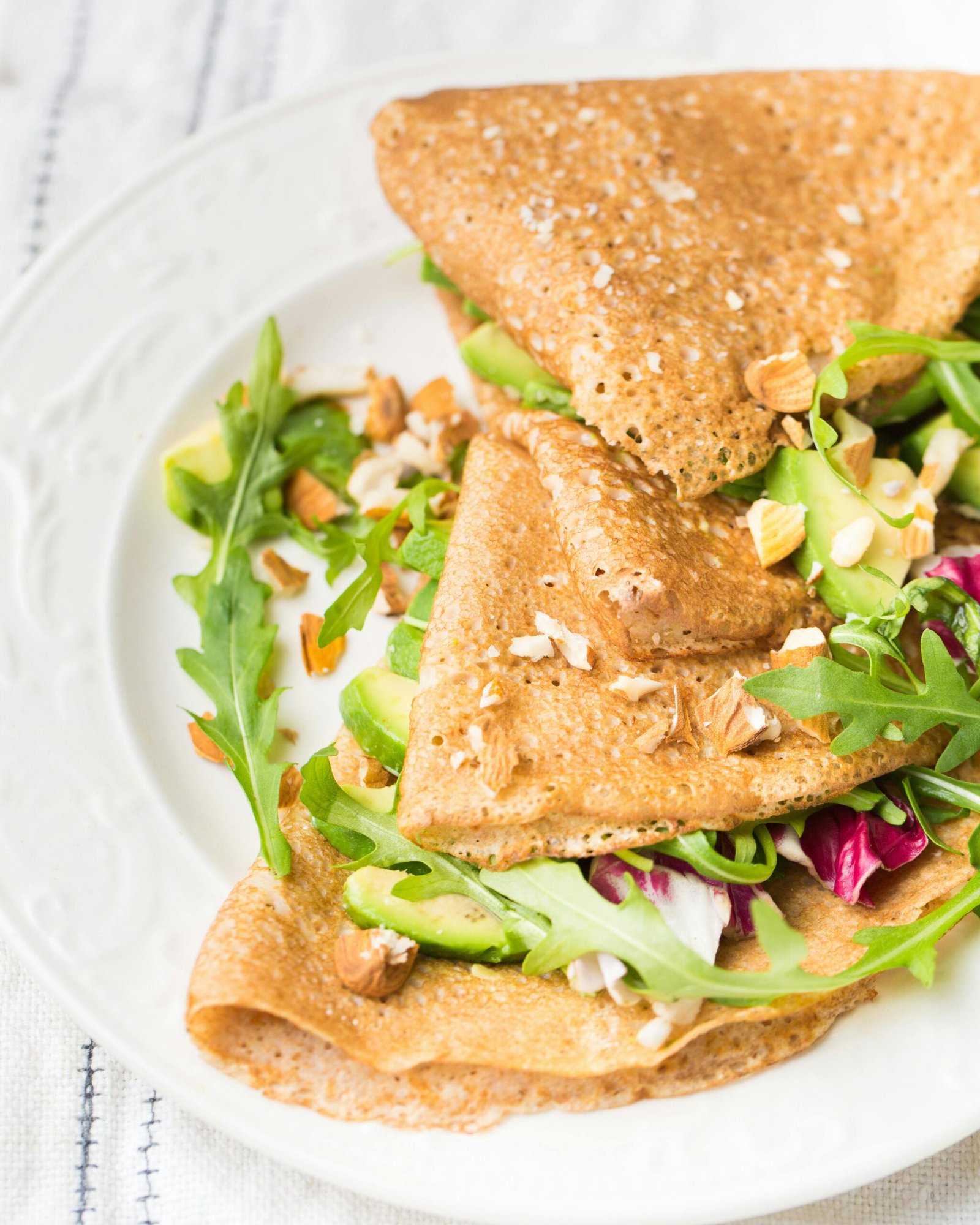
A protein‑rich start to the day sets hunger levels for hours. Besan chilla with greens delivers three times the protein of plain poha.
The Veg12Week Indian diet plan builds protein into every meal across all 12 weeks ‑ with recipes, grocery lists, and no guesswork required.
Get the Complete Indian Diet PlanHow to Fix Your Protein Intake With Indian Food
You do not need supplements, protein powders, or any ingredient that is not already available in an Indian kitchen or local supermarket. Four specific changes to your existing meal pattern are enough to close the gap for most people.
Change 1: Add protein to your morning meal
Replace or supplement your current morning meal with a protein‑containing option. The easiest switches are a besan chilla instead of plain poha (12g protein versus 4g), adding two tablespoons of peanuts to your existing poha or upma (7g extra), or having 150g of curd alongside your current morning meal (8g extra). Any one of these adds 7 to 12g to your morning total without changing your meal fundamentally.
Change 2: Eat a full serving of dal at both main meals
Most people eat dal once a day. Including a full cup of any dal or legume at both your midday and evening meals adds 26 to 30g of protein. This single change ‑ eating dal twice in proper portions ‑ closes more than half the protein gap for most people without any other modification to the week’s eating.
Change 3: Include paneer or soya twice a week at your evening meal
Paneer (100g) and soya chunks (50g dry) are the two highest‑protein options in the Indian vegetarian kitchen, delivering 18g and 25g of protein respectively. Including one of these two to three times per week adds a significant protein boost on those days while keeping the meal familiar and filling.
Change 4: Switch your evening snack to roasted chana
Replacing biscuits or namkeen with 30g of roasted chana delivers 7g of protein versus near zero from most packaged snacks, while also being lower in calories and more filling. This is the easiest single change with the most consistent impact across the week.
These four changes combined ‑ without any other modification to your existing diet ‑ typically push daily protein intake from 40 to 45g up to 65 to 75g for most adult Indians. The Indian vegetarian diet plan for weight loss builds all four of these principles into every week’s meal structure automatically.
Frequently Asked Questions
Every meal across all 12 weeks is structured to hit your protein target using everyday Indian ingredients ‑ with recipes, grocery lists, and a nutrition reference guide included.
Get the Veg12Week System