Vegetarian Protein Sources for Weight Loss ‑ How to Hit 60g Daily Without Meat
The complete guide to getting enough protein on a vegetarian diet ‑ with the exact foods, amounts, and meal combinations that make it effortless.
Protein is the most important nutrient for vegetarian weight loss. It preserves muscle as you lose fat, keeps hunger under control between meals, and prevents the metabolic slowdown that makes weight loss stall after the first few weeks. The problem most vegetarians face with protein sources for weight loss is not a shortage of options ‑ it is not knowing which foods to prioritise and how to combine them.
This guide gives you the exact vegetarian protein sources that work best for weight loss, how much you need, and simple meal combinations that get you to 60g without supplements, protein powders, or complicated tracking.
Why Protein Matters So Much for Weight Loss
Of the three macronutrients ‑ protein, carbohydrate, and fat ‑ protein has the strongest effect on satiety. High‑protein meals reduce hunger hormones and increase fullness hormones more than equivalent calorie amounts from carbohydrates or fat. This means eating more protein naturally leads to eating less overall, without willpower or restriction.
Protein also has the highest thermic effect of any macronutrient ‑ your body burns approximately 25 to 30 percent of protein calories just through the process of digesting it, compared to 6 to 8 percent for carbohydrates and 2 to 3 percent for fat. This means a high‑protein diet produces a slightly higher calorie burn every day, even at rest.
For vegetarians specifically, protein planning matters more than for omnivores because the highest‑protein foods in a non‑vegetarian diet ‑ meat and fish ‑ are absent. This does not mean vegetarian diets are low in protein. It means protein needs to be deliberately built into every meal rather than assumed.
How Much Protein You Actually Need
The target for weight loss is 0.8 to 1g of protein per kilogram of body weight per day. For most adults this works out to between 55g and 80g daily. Going higher than this does not hurt, but hitting this range consistently is what produces the hunger control and muscle preservation effects that make weight loss sustainable.
Most people significantly underestimate how much protein they are currently eating ‑ and overestimate how much is in plant foods. The table below gives accurate numbers for the most common vegetarian protein sources so you can plan realistically.
The Best Vegetarian Protein Sources Ranked
| Food | Serving | Protein | Calories | Best Used |
|---|---|---|---|---|
| Soya chunks (dry) | 50g | 25g | 175 kcal | Dinner curries, stir‑fries |
| Paneer (low fat) | 100g | 18g | 265 kcal | Lunch or dinner, 2‑3x per week |
| Rajma (cooked) | 1 cup / 200g | 15g | 225 kcal | Lunch main, with roti or rice |
| Moong dal (cooked) | 1 cup / 200g | 14g | 212 kcal | Dinner, easy to digest |
| Chana dal (cooked) | 1 cup / 200g | 13g | 220 kcal | Lunch, very filling |
| Chickpeas / chana (cooked) | 1 cup / 200g | 15g | 270 kcal | Lunch, salads, chaat |
| Greek yogurt / hung curd | 150g | 12g | 130 kcal | Breakfast or as a side daily |
| Curd / dahi (low fat) | 150g | 8g | 85 kcal | Daily with lunch |
| Besan / gram flour | 30g | 6g | 110 kcal | Breakfast chilla, cheela |
| Roasted chana | 30g | 7g | 120 kcal | Evening snack |
| Peanuts | 30g | 7g | 170 kcal | Snack, in poha or salads |
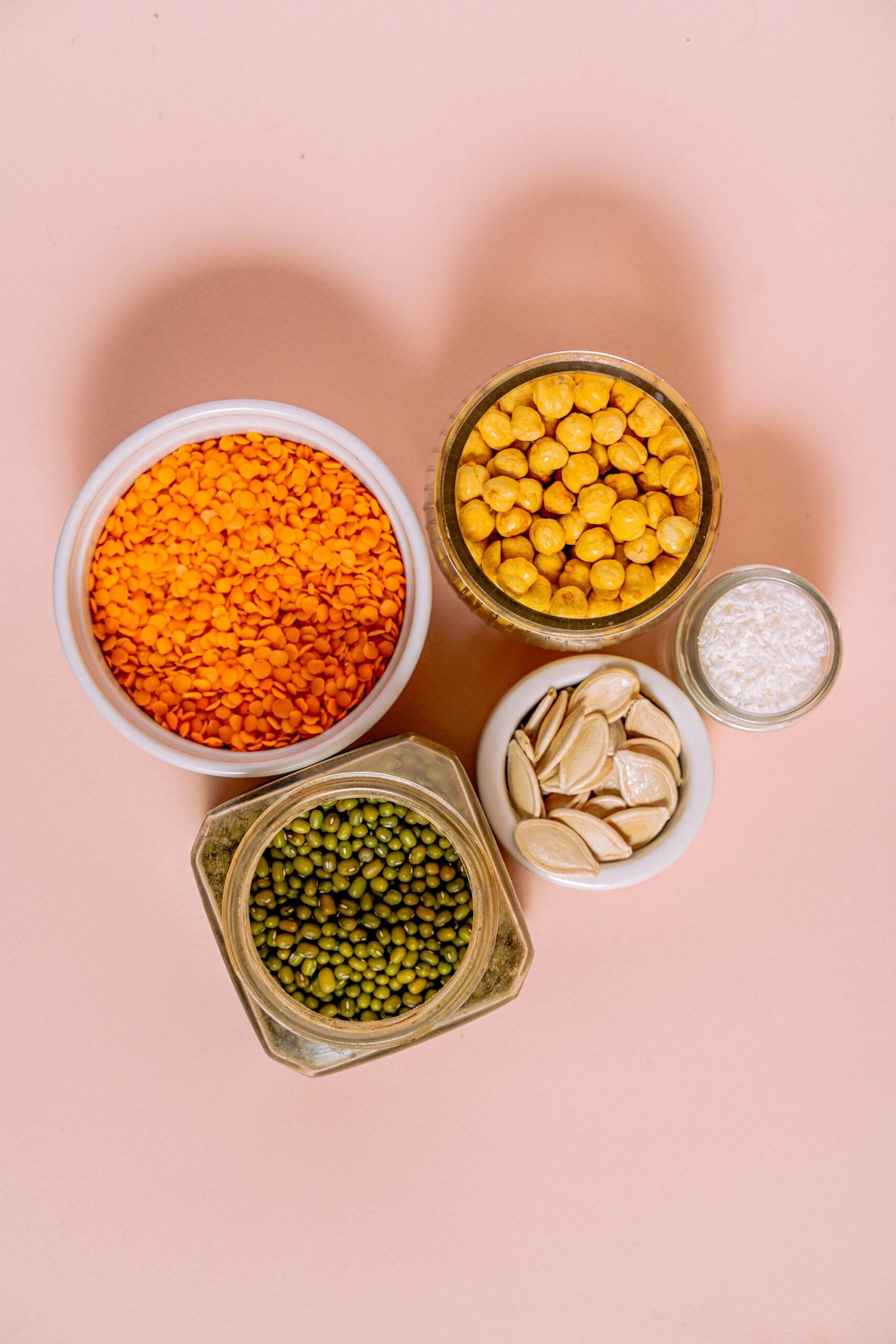
The core vegetarian protein sources ‑ dal, legumes, paneer, curd, and soya ‑ cover every meal of the day.
The Veg12Week system builds protein into every meal across all 12 weeks ‑ with recipes, grocery lists, and no guesswork.
Get the Complete 12‑Week PlanMeal Combinations That Hit 60g
Knowing which foods are high in protein is only half the answer. The other half is understanding how to combine them across a day to hit your target without overthinking every meal. Below are three sample meal patterns at different calorie levels, all hitting 60g or more of protein. These illustrate how the protein sources in the table above work together within a week’s eating ‑ not as rigid day‑by‑day prescriptions.
Sample meal pattern ‑ around 1,400 kcal (suitable for most women)
- Breakfast: Besan chilla (2 pieces) with curd ‑ 14g protein
- Mid‑morning: Roasted chana (30g) ‑ 7g protein
- Lunch: Rajma (1 cup) with 2 roti and salad ‑ 15g protein
- Evening: Handful of peanuts ‑ 7g protein
- Dinner: Moong dal (1 cup) with 1 roti and sabzi ‑ 14g protein
- Approximate total: 57g protein, 1,380 kcal
Sample meal pattern ‑ around 1,650 kcal (suitable for most men)
- Breakfast: Moong dal chilla (2 pieces) or 150g hung curd with fruit ‑ 14g protein
- Mid‑morning: Roasted chana (30g) ‑ 7g protein
- Lunch: Chana dal (1 cup) with 2 roti, sabzi and curd ‑ 21g protein
- Evening: Handful of peanuts ‑ 7g protein
- Dinner: Soya chunks curry (50g dry) with 1 roti or half cup rice ‑ 25g protein
- Approximate total: 74g protein, 1,640 kcal
Sample meal pattern ‑ paneer‑focused (around 1,500 kcal)
- Breakfast: Besan chilla (2 pieces) ‑ 12g protein
- Mid‑morning: Curd (150g) ‑ 8g protein
- Lunch: Paneer sabzi (100g paneer) with 2 roti and salad ‑ 18g protein
- Evening: Roasted chana (30g) ‑ 7g protein
- Dinner: Moong dal (1 cup) with 1 roti ‑ 14g protein
- Approximate total: 59g protein, 1,490 kcal
Notice that none of these combinations require protein powder, supplements, or any ingredient not available in a standard Indian kitchen. The complete 12‑week vegetarian meal plan uses exactly this approach across all 84 days.
Common Protein Mistakes on a Vegetarian Diet
Most vegetarians who struggle with protein are making one of a small number of very common mistakes. Identifying yours is the fastest way to fix the problem.
- Eating dal only at dinner. Dal is the most accessible protein source in the Indian diet, but most people eat it only once a day. Including a legume at both lunch and dinner nearly doubles daily protein intake with no additional effort.
- Counting roti and rice as protein sources. Wheat and rice contain small amounts of protein ‑ roughly 3 to 4g per roti ‑ but they are primarily carbohydrate sources. Relying on them for protein means dramatically underestimating how short you are falling.
- Skipping breakfast protein. A breakfast of plain roti with pickle or toast with butter contains almost no protein. Starting the day with a protein‑rich breakfast ‑ besan chilla, moong dal cheela, or hung curd ‑ sets up the whole day’s hunger levels more effectively than any other single change.
- Eating paneer too infrequently or too often. Some people avoid paneer because they think it is too calorie‑dense. Others eat large amounts daily. The right approach is two to three moderate servings per week ‑ enough to contribute meaningfully to protein without contributing excess calories.
- Not eating enough volume of dal. A small bowl of dal at dinner might look like a full serving but typically contains only 7 to 8g of protein. A full cup of cooked dal delivers 13 to 15g. Portion size matters significantly with legumes.
If you are following the Indian vegetarian diet plan for weight loss, protein targets are built into every weekly plan so you never need to calculate or track manually.
Frequently Asked Questions
Every meal across all 12 weeks is built to hit your protein target ‑ with recipes, grocery lists, and a complete nutrition reference included.
Get the Veg12Week System