How Much Protein Do Vegetarians Actually Need? A Practical Guide
The answer is simpler than most people think ‑ and easier to hit than most people expect. Here is the number, the reasoning, and exactly how to reach it.
The protein question is the one vegetarians get asked most often ‑ by doctors, by family members, by gym trainers, and occasionally by themselves. Is it possible to get enough protein without meat? The answer is yes, clearly and consistently. The more useful question is how much protein vegetarians actually need and whether most are hitting that target.
Most are not ‑ not because vegetarian food lacks protein, but because protein is rarely distributed correctly across meals. Understanding the target and how to hit it changes both the diet and its results significantly.
The Actual Protein Number for Vegetarians
The standard recommendation from most nutrition bodies is 0.8g of protein per kg of body weight per day for sedentary adults. For people who are actively trying to lose weight ‑ which includes the majority of people reading this ‑ the target should be higher: 1.0 to 1.2g per kg per day. The reason is muscle preservation.
During calorie restriction, the body breaks down both fat and muscle for energy. Adequate protein intake signals the body to preserve muscle and prioritise fat for fuel instead. This matters for weight loss because muscle is metabolically active tissue ‑ losing it reduces the body’s daily calorie burn and makes long‑term weight maintenance harder.
| Body Weight | Minimum (0.8g/kg) | Weight Loss Target (1.0g/kg) | Active Target (1.2g/kg) |
|---|---|---|---|
| 50 kg | 40g | 50g | 60g |
| 60 kg | 48g | 60g | 72g |
| 70 kg | 56g | 70g | 84g |
| 80 kg | 64g | 80g | 96g |
For most Indian vegetarian adults trying to lose weight, the practical target is 60 to 80g of protein per day. This is the range that supports fat loss, muscle preservation, and hunger control simultaneously.
Why Protein Matters So Much for Weight Loss
Of all macronutrients, protein has the strongest effect on satiety ‑ the feeling of fullness after eating. A meal that contains adequate protein produces significantly less hunger two to three hours later than a meal of the same calorie content but lower protein. This is why protein targets matter more for weight loss than for general health.
The second reason protein matters is the thermic effect of food. Protein requires more energy to digest than carbohydrates or fat ‑ approximately 25 to 30 percent of protein calories are used in digestion versus 6 to 8 percent for carbohydrates. A diet higher in protein therefore produces a slightly higher metabolic rate at the same calorie intake, which compounds over weeks into meaningful additional fat loss.
The third reason is hunger hormone regulation. Adequate protein suppresses ghrelin ‑ the primary hunger hormone ‑ more effectively than carbohydrates or fat. This is why a protein‑rich first meal of the day produces less mid‑morning hunger than a grain‑only meal of the same calorie content.
How to Hit Your Target Consistently
The most common reason vegetarians fall short of their protein target is not a lack of protein‑containing foods ‑ it is insufficient quantities of those foods at individual meals. A small katori of dal delivers 6 to 8g of protein. A full cup delivers 13 to 15g. The difference between hitting 60g and falling 20g short often comes down to portion sizes of protein foods rather than food choices.
Four practical rules make consistently hitting the target straightforward.
- Anchor every meal with a protein source. Every meal must contain a deliberate protein component ‑ not as a side element but as the foundation. For most Indian vegetarians this means a full cup of dal or legumes at both main meals, and curd or besan‑based food at the first meal of the day.
- Measure protein portions at the start. Spend one week tracking actual protein intake against the target. Most people discover they are eating half their target. This single awareness exercise produces lasting behaviour change without requiring permanent tracking.
- Use protein‑dense snacks. Roasted chana (7g per 30g), peanuts (7g per 30g), and low‑fat curd (8 to 10g per 150g) are the three highest‑protein snack options available without refrigeration or preparation. Replacing biscuits and packaged snacks with these options adds 10 to 15g of protein across the week without changing main meals.
- Add soya chunks to dal once or twice per week. A 50g dry serving of soya chunks added to any dal preparation adds 26g of protein at approximately 170 kcal. This single addition can close most of the gap between actual and target protein intake in a single meal.
Protein Per Meal ‑ A Practical Breakdown
Hitting 60 to 70g of protein across three meals and one snack requires roughly 15 to 20g per main meal and 5 to 10g from snacks. The table below shows how standard vegetarian foods stack up ‑ these are illustrative options to show what each meal slot can deliver, not a fixed daily prescription.
| Meal Slot | Protein Source Option | Protein |
|---|---|---|
| First meal | 2 besan chilla + 150g curd | 18 to 22g |
| First meal (alt) | Oats upma + 150g curd | 14 to 16g |
| Main meal | 1 cup masoor or moong dal + sabzi | 14 to 18g |
| Main meal (alt) | 1 cup rajma or chana + salad | 15 to 17g |
| Snack | 30g roasted chana | 7g |
| Evening meal | 1 cup dal + 75g paneer sabzi | 20 to 24g |
| Evening meal (alt) | 1 cup dal + 150g curd | 20 to 22g |
| Approximate total | 59 to 71g |
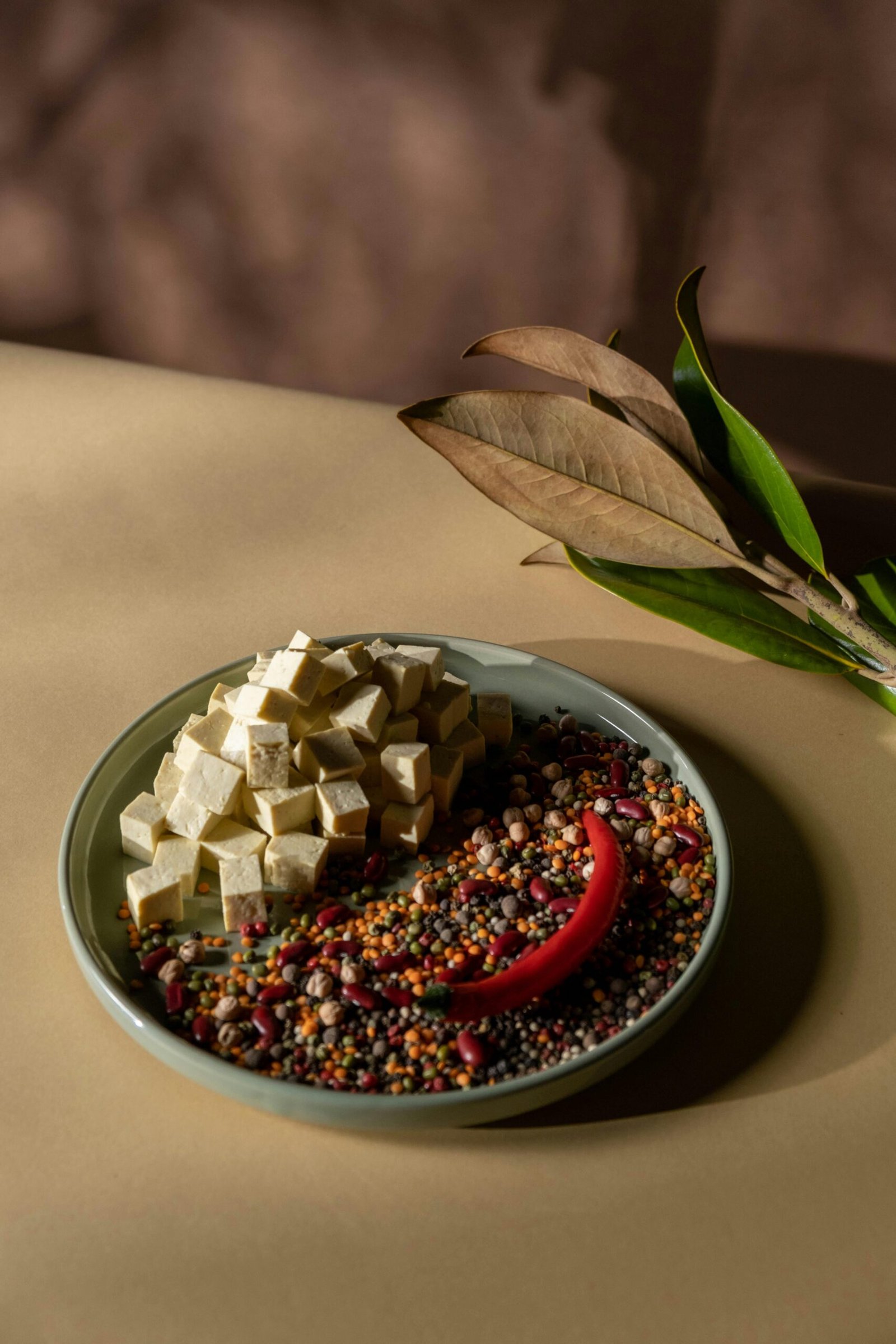
Hitting 60 to 70g of protein from vegetarian sources requires no supplements ‑ just consistent quantities of the right foods at every meal.
The Veg12Week system builds protein targets into every weekly plan ‑ so you hit the right numbers without tracking or calculating anything yourself.
Get the Complete 12‑Week PlanSigns You Are Not Getting Enough Protein
Most vegetarians who are falling short of their protein target do not know it. The signs are easy to attribute to other causes and are often dismissed as normal aspects of dieting.
- Hunger returns quickly after meals. If you are hungry 90 minutes after a full meal, the most likely cause is insufficient protein at that meal rather than insufficient calories. Adding a full cup of dal or a bowl of curd and observing whether hunger duration improves is the simplest diagnostic available.
- Cravings for carbohydrates and sweets. When protein is inadequate, the body seeks quick energy from carbohydrates as a substitute satiety signal. Strong afternoon cravings for biscuits, bread, or sweets are often a sign that the previous meal did not contain enough protein.
- Loss of muscle tone alongside weight loss. If the scale is moving but clothes do not feel looser ‑ or if strength and energy are declining alongside weight ‑ muscle loss alongside fat loss is the likely cause. Increasing protein intake typically corrects this within two to three weeks.
- Difficulty sleeping or low energy in the afternoon. Protein provides the amino acid tryptophan, which is a precursor to serotonin and melatonin. Chronically low protein intake can affect mood, sleep quality, and afternoon energy levels in ways that are easy to attribute to other causes.
The complete guide to vegetarian protein sources covers every food that contributes meaningfully to the daily target, with exact quantities and combinations that make hitting 60g straightforward on any Indian vegetarian diet.
Frequently Asked Questions
12 weeks of vegetarian meals with protein built into every slot ‑ no tracking, no calculating, no guesswork.
Get the Veg12Week System