Indian Weight Loss Foods ‑ 25 Everyday Ingredients That Actually Work
Every item on this list is already in most Indian kitchens. The question is not what to buy ‑ it is how to use what you already have more effectively for weight loss.
The Indian weight loss food industry wants you to believe that losing weight requires quinoa, chia seeds, kale, and protein powder. None of these items are in the average Indian kitchen, most of them are expensive, and none of them are necessary. Every Indian weight loss food you need for effective, sustained results is already in your kitchen ‑ it has been for generations.
This guide covers 25 everyday Indian ingredients that actively support weight loss, grouped by their primary mechanism of action. Understanding why each food works ‑ not just that it does ‑ makes it possible to use them intelligently rather than mechanically.
Category 1: Dals and Legumes ‑ The Protein Foundation
Dal and legumes are the most nutritionally powerful weight loss foods in the Indian kitchen. They combine high protein, high fibre, and low calorie density in a single ingredient ‑ a combination found in almost no other food category. The research on legume consumption and weight management is among the most consistent in nutritional science.
14g protein and 8g fibre per cooked cup. The lightest and most digestible dal, making it ideal for the evening meal. Sprouts increase nutrient availability further. Low glycaemic index of approximately 38 makes it one of the best blood sugar stabilisers available.
18g protein per cooked cup ‑ the highest among common dals. Cooks quickly without soaking. High in folate and iron alongside protein. The red lentil is one of the most calorie‑efficient protein sources in any cuisine globally.
15g protein and 12g fibre per cooked cup. The highest fibre dal commonly used in Indian cooking. Produces a very low glycaemic response when cooked ‑ the combination of protein and fibre creates one of the strongest satiety responses of any Indian food.
15g protein per cooked cup with 11g fibre. Kidney beans are one of the most filling foods available by calorie ‑ their combination of slow‑digesting protein and resistant starch keeps hunger controlled for 4 to 5 hours after a meal.
15g protein per cooked cup. Roasted chana as a snack delivers 7g protein per 30g handful ‑ one of the highest‑protein snack foods available without refrigeration. Also available as dry roasted for even lower calorie density.
52g protein per 100g dry weight ‑ the highest protein density of any commonly available vegetarian food. A 50g serving of dry soya chunks rehydrated and cooked delivers 26g protein. One of the most underused ingredients in Indian weight loss cooking.
Sprouting moong increases its protein bioavailability and adds vitamin C, which was absent in the dry form. A cup of moong sprouts contains 3g protein and only 31 kcal ‑ an extremely low calorie density food that adds significant volume to salads and chaat.
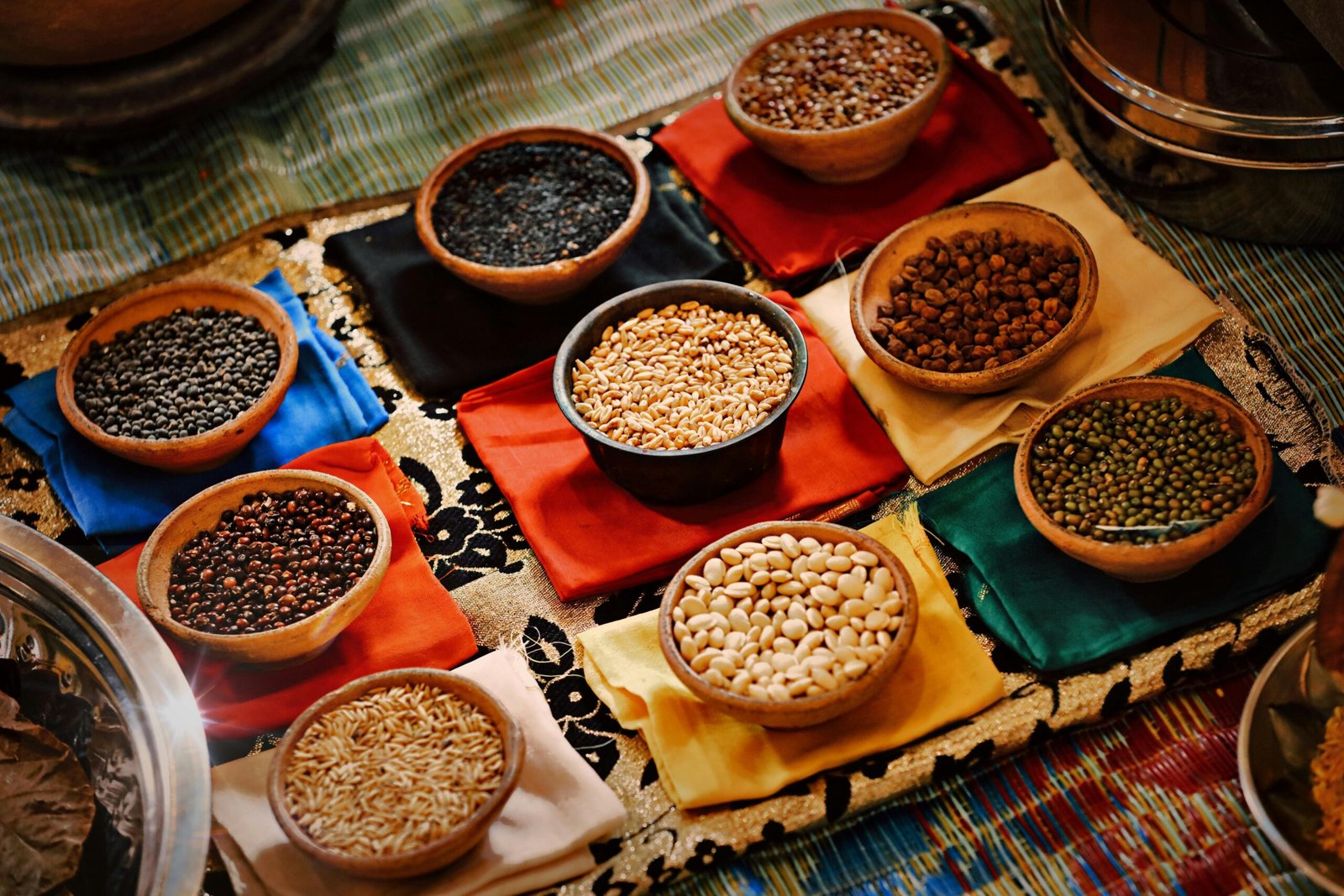
The seven dals and legumes in this category form the protein backbone of every effective Indian vegetarian weight loss plan.
Category 2: Vegetables ‑ The Volume Foods
Indian vegetarian cooking has an extraordinary range of low‑calorie, high‑volume vegetables that can fill a large portion of any plate with minimal caloric impact. These are the foods that make the plate method work ‑ filling half the plate with these vegetables leaves less room for calorie‑dense grains while producing the same or greater physical fullness.
Only 17 kcal per 100g ‑ one of the lowest calorie density foods available. Over 90% water content. A full bowl of lauki sabzi contains fewer than 80 kcal including oil used in cooking. The most impactful volume food in Indian cooking for weight loss.
33 kcal per 100g with significant soluble fibre. The mucilaginous fibre in bhindi slows glucose absorption after meals, reducing blood sugar spikes. Also supports gut health, which emerging research links to better weight management outcomes.
23 kcal per 100g with 2.9g protein ‑ unusually high protein content for a leafy green. Also provides iron, which supports energy levels and exercise capacity. A large palak sabzi or palak dal adds significant nutrition with minimal caloric cost.
21 kcal per 100g. Extremely mild flavour makes it versatile in sabzi preparations. Like lauki, tinda’s high water content and low calorie density make it one of the best volume foods for filling the plate without adding meaningful calories.
17 kcal per 100g with documented blood sugar lowering properties. Contains compounds that mimic insulin activity and improve glucose tolerance. Regular consumption of karela is associated with improved fasting blood sugar levels in multiple studies.
25 kcal per 100g with 2g fibre. The bulk and texture of cauliflower makes it one of the most satisfying low‑calorie vegetables in Indian cooking. A full gobhi sabzi feels substantial on the plate while delivering minimal calories.
The Veg12Week Indian diet plan uses every ingredient on this list in the right quantities and combinations across all 12 weeks.
Get the Indian Vegetarian Diet PlanCategory 3: Dairy ‑ The Underrated Protein Sources
Indian dairy products are among the most effective and underutilised weight loss tools in the Indian kitchen. Low‑fat curd in particular combines protein, calcium, and gut‑supporting probiotics in a form that is cheap, widely available, and familiar. The research on dairy consumption and weight management is consistently positive when low‑fat varieties are used.
8 to 10g protein per 150g serving with only 90 to 110 kcal. The probiotic bacteria in curd support gut health, which influences hunger hormones. Studies show that regular curd consumption is associated with lower body weight and reduced abdominal fat in Indian populations.
Only 35 kcal per 200ml with 3g protein. One of the most hydrating and hunger‑suppressing beverages available ‑ far superior to chai or juice as a between‑meal drink. The mild sourness and liquid volume significantly reduce appetite before meals.
18g protein per 100g from low‑fat paneer. One of the most satiating foods in the Indian kitchen by calorie. A 75g serving of low‑fat paneer sabzi provides 14g protein at approximately 120 kcal ‑ a highly efficient protein‑to‑calorie ratio for a cooked dish.
Category 4: Spices ‑ The Metabolic Boosters
Indian spices are not merely flavouring agents. Several of the most common Indian spices have documented effects on blood sugar regulation, digestion, inflammation, and metabolism. These effects are modest but meaningful when the spices are used consistently as part of a structured diet.
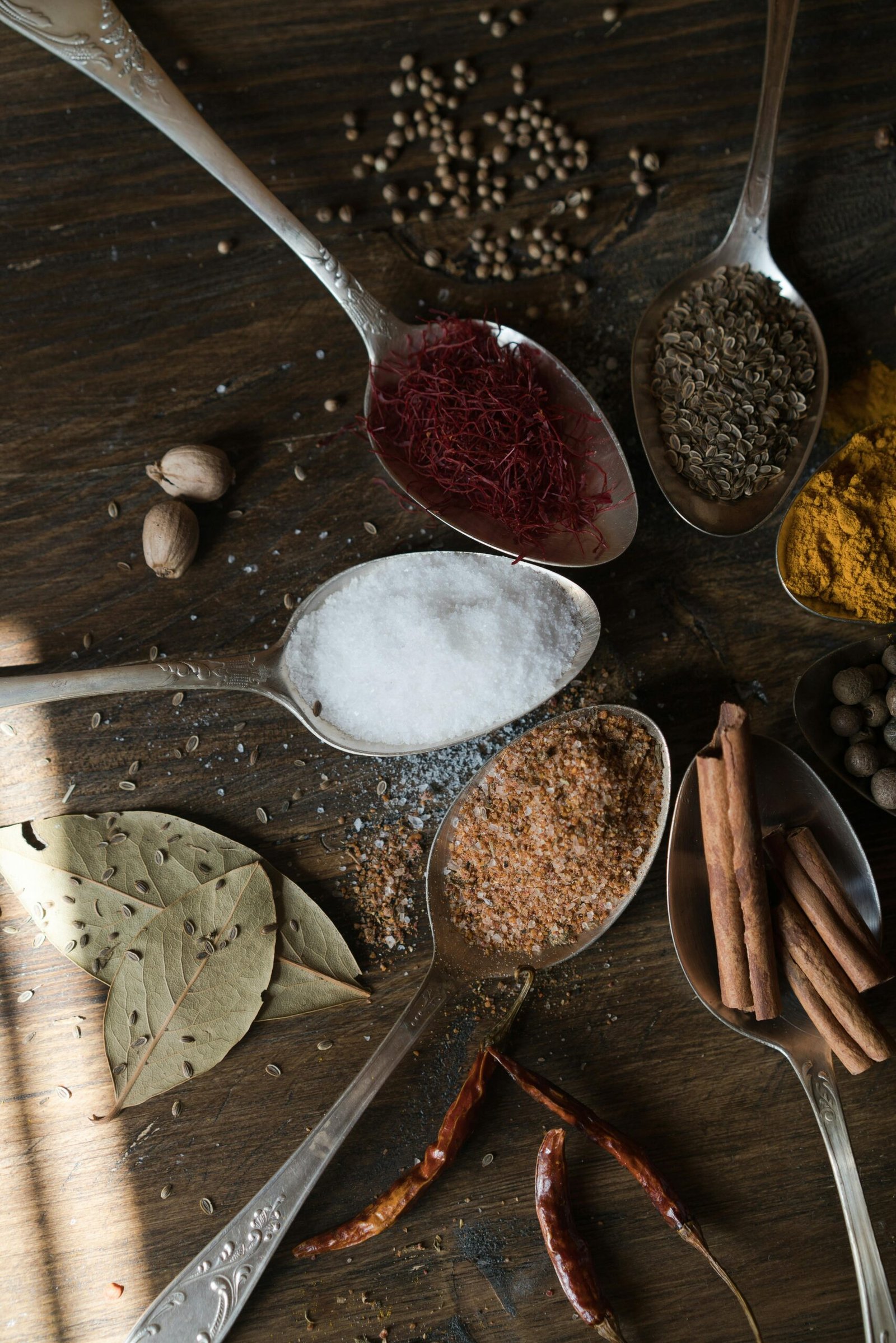
Indian spices do more than add flavour ‑ several have documented effects on blood sugar, digestion, and metabolism that support weight loss.
Curcumin, the active compound in turmeric, has anti‑inflammatory properties that support metabolic health. Chronic low‑grade inflammation is associated with insulin resistance and weight gain. Regular turmeric consumption supports the anti‑inflammatory environment needed for effective fat metabolism.
Studies show that jeera water consumed first thing in the morning supports digestion and reduces fasting blood sugar. Cumin also contains compounds that stimulate bile production, improving fat digestion. Adding jeera to dal and sabzi is one of the easiest metabolic upgrades available.
Fenugreek seeds are one of the most studied Indian spices for blood sugar management. The soluble fibre galactomannan slows carbohydrate absorption and reduces post‑meal glucose spikes. Soaking a teaspoon of methi seeds overnight and consuming the water in the morning is one of the most evidence‑backed Indian dietary practices for weight management.
Cinnamon improves insulin sensitivity and reduces fasting blood sugar levels in multiple clinical trials. Half a teaspoon of cinnamon per day ‑ added to warm water in the morning, mixed into oats, or added to dal ‑ produces measurable improvements in blood sugar control over 4 to 8 weeks.
Ginger has thermogenic properties ‑ it slightly increases body temperature and metabolic rate after consumption. It also supports digestion by stimulating gastric emptying and reducing bloating. Fresh ginger added to dal and sabzi or consumed as ginger tea is one of the most versatile metabolic spices available.
Category 5: Whole Grains and Alternatives
The Indian grain repertoire extends well beyond wheat and rice, and several of the traditional alternatives offer significantly better weight loss properties. These grains are not exotic health food store items ‑ they are traditional Indian staples that have been largely replaced by refined wheat and white rice in modern cooking but are widely available at any kirana or grocery store.
Jowar atta roti has significantly more fibre than wheat roti and a lower glycaemic index. A jowar roti produces a slower blood sugar rise and longer satiety window than an equivalent wheat roti. Replacing two of the week’s wheat rotis with jowar rotis is one of the most impactful grain substitutions available.
Higher in protein than wheat at 11g per 100g raw, with significant iron and magnesium content. Bajra roti has a warming effect and is particularly suitable for winter months. The high magnesium content supports insulin function, which is directly relevant to fat storage and weight management.
High fibre, moderate protein, and extremely low glycaemic index make dalia one of the best grain foods for weight loss in the Indian context. Dalia pulao or khichdi is a complete meal in one pot ‑ easy to prepare, filling, and nutritionally well‑rounded. A strong replacement for white rice at the evening meal.
The bran layer retained in brown rice adds 3.5g of fibre per cooked cup versus 0.6g in white rice. This fibre difference produces a meaningfully lower glycaemic response and longer satiety. For people who eat rice regularly, switching to brown rice for at least one meal produces measurable benefits over time.
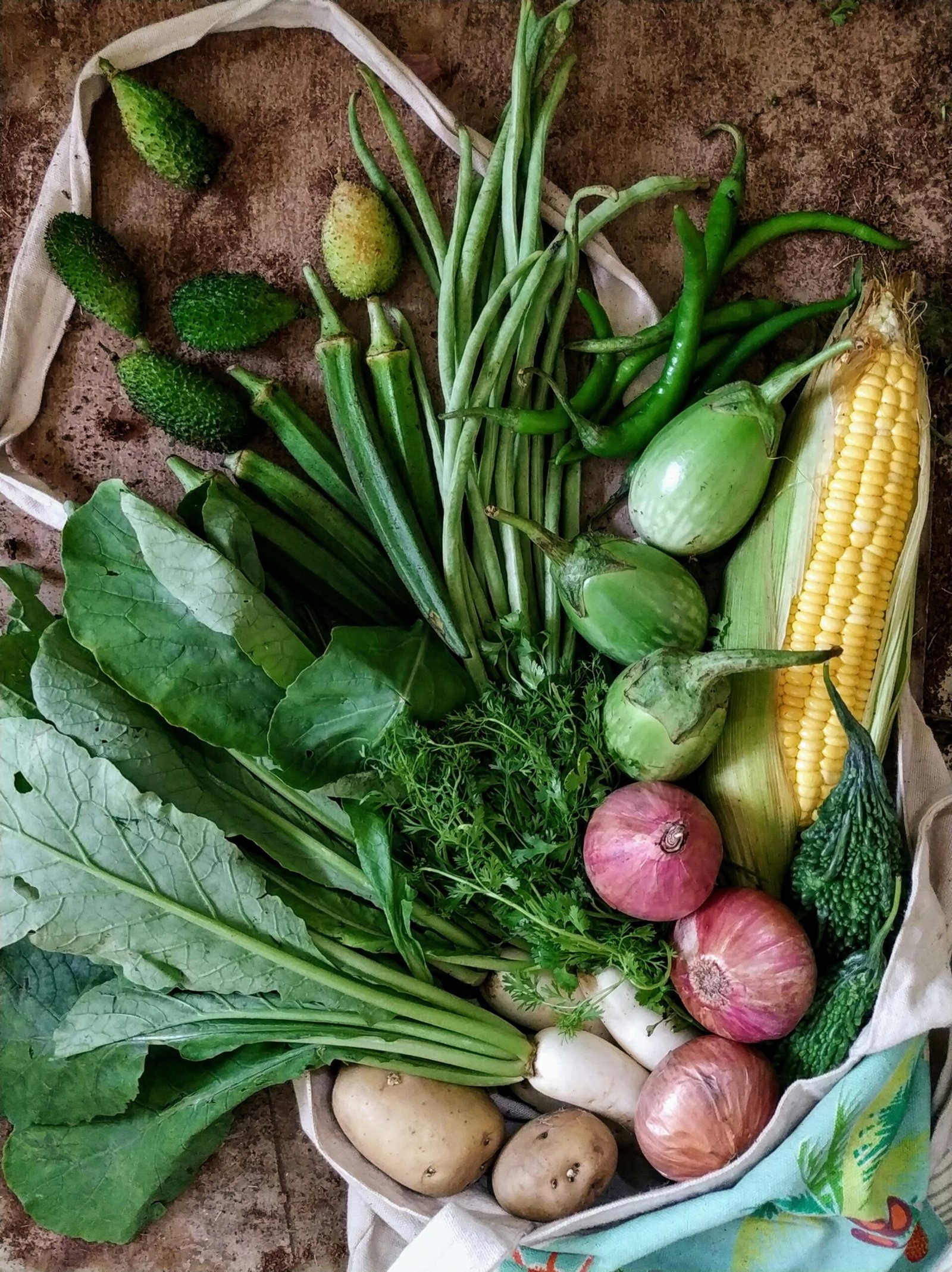
Low‑calorie Indian vegetables like bhindi, karela, and leafy greens fill half the plate with minimal calories ‑ the most impactful weight loss habit available.
How to Use These 25 Foods Together
Having a list of weight loss foods is useful. Knowing how to combine them into meals that actually produce results is what makes the difference. The following principles govern how to use these 25 ingredients most effectively.
Build every meal around a dal or legume
The protein and fibre foundation of the meal should come from Category 1. A full cup of any dal or legume at both main meals sets the satiety foundation for the entire day. Everything else on the plate is built around this anchor. When the dal portion is inadequate, hunger returns faster and portions of the grain component expand to compensate.
Fill half the plate with Category 2 vegetables before adding grains
The volume foods in Category 2 should occupy half the plate at every meal. Eating them first ‑ before the roti or rice ‑ reduces the grain portion consumed naturally without requiring deliberate restriction. A plate that is half lauki or bhindi or gobhi before the grain arrives is a plate that produces a calorie deficit without the person consciously trying to restrict.
Use Category 4 spices generously
The metabolic benefits of spices like jeera, haldi, methi, and adrak accumulate over weeks of consistent use. Using them generously in everyday cooking ‑ not as supplements but as cooking ingredients ‑ is how their benefits are obtained. Adding a teaspoon of jeera to every dal tadka, using fresh ginger in every sabzi, and adding haldi to every dish costs nothing and produces meaningful metabolic support over a 12‑week period.
Replace refined grains with Category 5 alternatives two to three times per week
Replacing all wheat and rice with millets and dalia is not necessary or sustainable for most households. Replacing two to three grain servings per week with jowar, bajra, or dalia produces the blood sugar benefits of these grains without the disruption of a complete grain overhaul. A dalia pulao twice a week and a jowar roti on two or three evenings is sufficient to produce measurable improvement.
The complete Indian vegetarian diet plan for weight loss structures all 25 of these ingredients into a week‑by‑week framework that applies these principles automatically ‑ so the correct foods appear in the correct combinations and quantities without requiring daily planning decisions.
Frequently Asked Questions
12 weeks of Indian meals using every ingredient on this list in the right quantities, combinations, and cooking methods ‑ no guesswork required.
Get the Veg12Week System