Vegetarian Diet vs Keto ‑ Which One Actually Works Better for Weight Loss?
Both diets produce results. But only one of them is sustainable for most people long‑term ‑ especially if you are Indian, vegetarian, or both.
Keto is one of the most searched diet terms on the internet. Vegetarian eating is one of the most widely practised dietary patterns in India and globally. When people compare vegetarian diet vs keto, the conversation usually comes down to one question: which one produces better weight loss results?
The honest answer is that both diets work ‑ but they work through different mechanisms, produce different patterns of results over time, and suit very different lifestyles. Understanding those differences makes it possible to choose the right approach rather than the trending one.
How Each Diet Produces Weight Loss
Understanding the mechanism behind each diet is the starting point for comparing them fairly.
How keto works
The ketogenic diet restricts carbohydrates to approximately 20 to 50g per day ‑ roughly the amount in one medium apple. This restriction depletes glycogen stores within 2 to 3 days, forcing the body to shift from glucose to ketones as its primary fuel source. This metabolic state, called ketosis, produces several effects: reduced appetite due to ketone suppression, significant initial water weight loss as glycogen is depleted, and in many people, spontaneous calorie reduction because high‑fat foods are more satiating per calorie than carbohydrates.
How a structured vegetarian diet works
A well‑structured vegetarian diet produces weight loss through calorie density reduction and high satiety per calorie rather than macronutrient restriction. Plant foods are fundamentally lower in calorie density than animal products and processed foods. High fibre slows digestion and extends satiety. Adequate protein from dal, legumes, and dairy controls hunger between meals. The result is a natural calorie deficit that emerges from food composition rather than restriction of any single macronutrient.
Short‑Term Results ‑ Who Wins in the First Month?
In the first two to four weeks, keto typically produces faster scale results than a structured vegetarian diet. The reason is water weight. Depleting glycogen releases 2 to 4 kg of water in the first week alone. A person starting keto often loses 3 to 5 kg in the first two weeks, most of which is water and glycogen rather than fat.
A structured vegetarian diet produces 1 to 1.5 kg in week one ‑ also partly water ‑ followed by 0.4 to 0.6 kg per week of actual fat loss from week two onwards. The scale numbers are less dramatic in the short term, but the proportion of actual fat loss is higher from the start.
Long‑Term Results ‑ What the Research Actually Shows
When studies compare the two dietary approaches beyond the first month, the picture changes significantly. At six months and beyond, the weight loss outcomes between structured plant‑based diets and ketogenic diets are broadly similar ‑ the difference is in who stays on the diet.
Keto dropout rates are substantially higher than plant‑based diet dropout rates in most long‑term studies. The reasons are practical rather than motivational: maintaining ketosis requires constant vigilance about carbohydrate intake, significantly restricts social eating options, makes Indian home cooking extremely difficult to navigate, and produces strong cravings for carbohydrates in many people.
For Indian vegetarians specifically, keto is almost prohibitively difficult. The Indian vegetarian diet is built around dal, rice, roti, and vegetables ‑ all of which are either restricted or eliminated on keto. Replacing these with cheese, nuts, and cream is both culturally jarring and nutritionally incomplete for most Indian vegetarians.
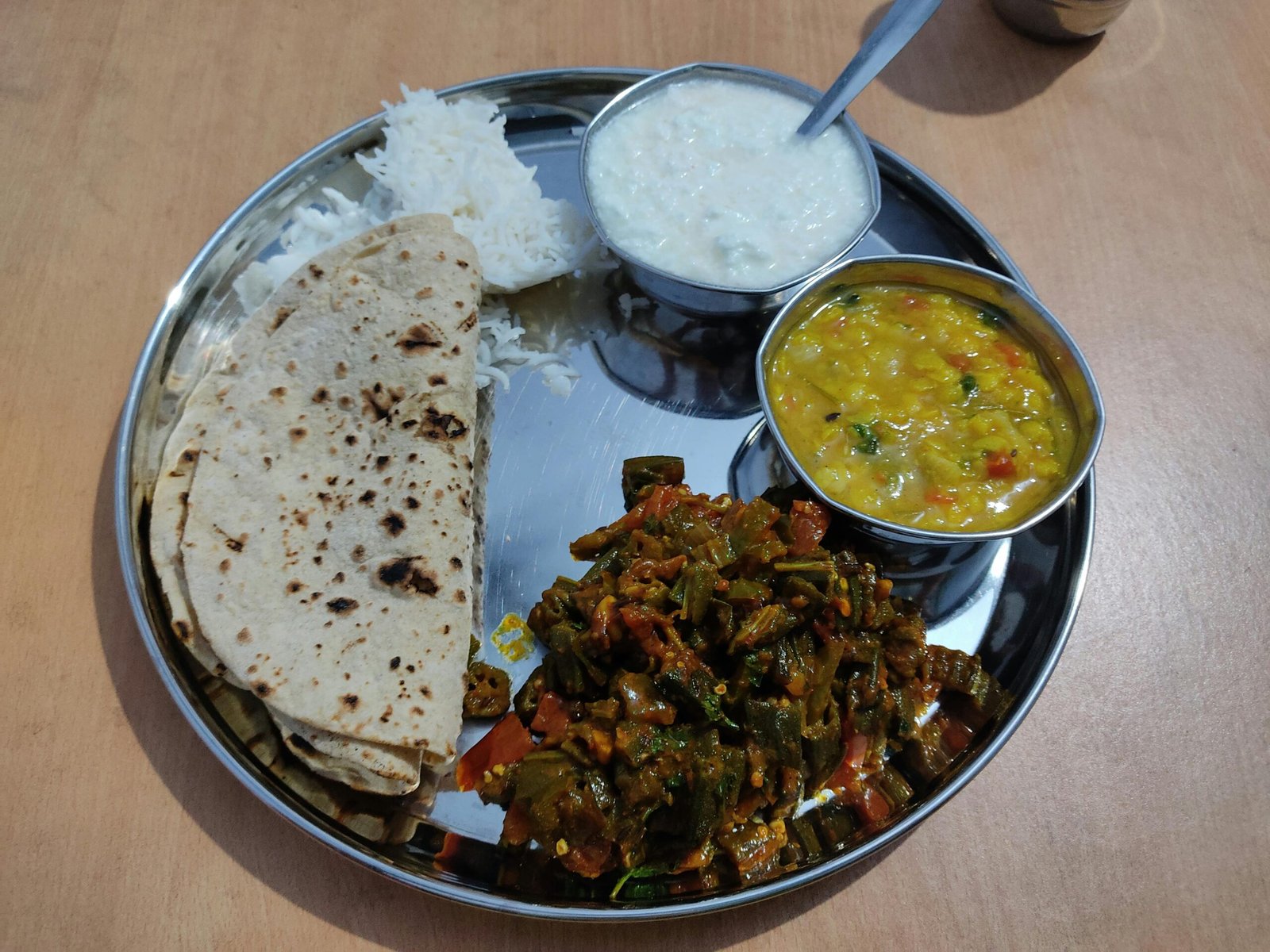
Long‑term weight loss outcomes are similar between the two diets ‑ the difference is in who can sustain each approach for 12 weeks and beyond.
The Veg12Week system is built around Indian vegetarian food ‑ meals your household already knows how to cook, structured for consistent results over 12 weeks.
Get the Complete 12‑Week PlanWhat About Vegetarian Keto?
Vegetarian keto ‑ attempting to maintain ketosis on a plant‑based diet ‑ is technically possible but practically very difficult. The protein sources available on vegetarian keto are limited to full‑fat dairy, nuts, seeds, and tofu. Dal, legumes, and most vegetables are too high in carbohydrates to maintain ketosis at the quantities needed to meet protein targets.
The result is a diet that is simultaneously very low in carbohydrates, very high in fat, and dependent on a narrow range of foods. For most Indian vegetarians, it represents a complete departure from their food culture with no meaningful advantage over a well‑structured standard vegetarian diet in terms of long‑term fat loss.
Which One Should You Actually Choose?
Choose keto if: You have a specific short‑term goal requiring fast initial scale results, you have the lifestyle flexibility to maintain strict carbohydrate restriction long‑term, and you are not reliant on Indian home cooking as your primary food source.
Choose a structured vegetarian diet if: You eat predominantly vegetarian meals, you cook Indian food at home, you eat with family, and you want a dietary approach that can become a permanent lifestyle rather than a temporary protocol.
The evidence consistently shows that the best diet for weight loss is the one a person can sustain. For most Indian vegetarians, a structured plant‑based approach built around their existing food culture produces better real‑world outcomes than a keto approach that requires abandoning that culture entirely.
The complete vegetarian weight loss guide covers the full science and strategy of how a structured vegetarian approach produces consistent, sustainable results over 12 weeks and beyond.
Frequently Asked Questions
12 weeks of structured vegetarian meals that work with Indian food culture ‑ consistent results without eliminating the foods your household already cooks.
Get the Veg12Week System